


Installing recessed lighting costs $125 to $300 per fixture, all-in. A typical 6-light room runs between $1,056 and $1,968 installed. That number shifts depending on one key factor: whether you’re building from scratch or cutting into a finished ceiling. Fixture type, wiring complexity, and your local electrician’s rates round out the rest. We’ve broken every cost driver down below so you can walk into any contractor conversation with full confidence.
FREE SHIPPING
Free shipping on orders over $550*
All
- 8 AprRead more »
- 2 AprRead more »
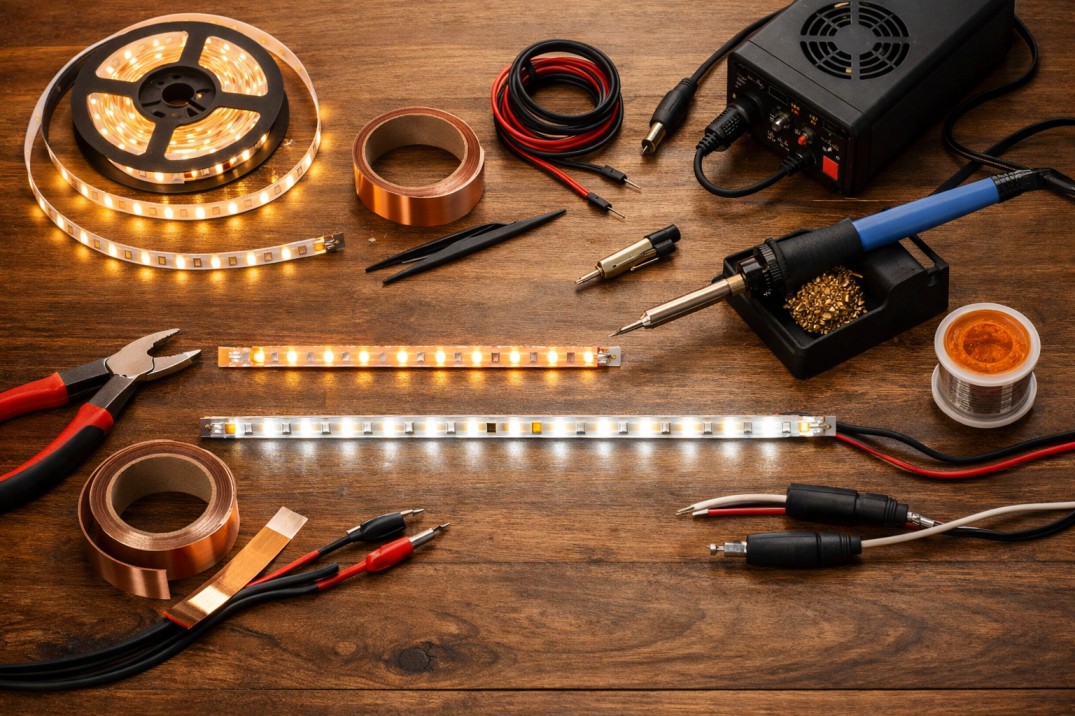
Are you looking to create a seamless, customized LED lighting setup without the hassle of using connectors? Learning how to connect LED lights without a connector can save you time and money, while also giving you the freedom to design your space exactly as you envision it. Whether you're installing lights for a home project or a creative installation, connecting LED light strips without connectors allows for a cleaner, more flexible approach. In this guide, we'll show you simple, effective ways to achieve this, whether you're working with LED Bulbs, flexible strips, or custom lighting configurations. From soldering to using conductive adhesives, these techniques not only make your setup more cost-effective but also help you avoid bulky connectors that can disrupt the aesthetic. Let’s dive into the step-by-step process of connecting LED lights in a way
- 20 MarRead more »
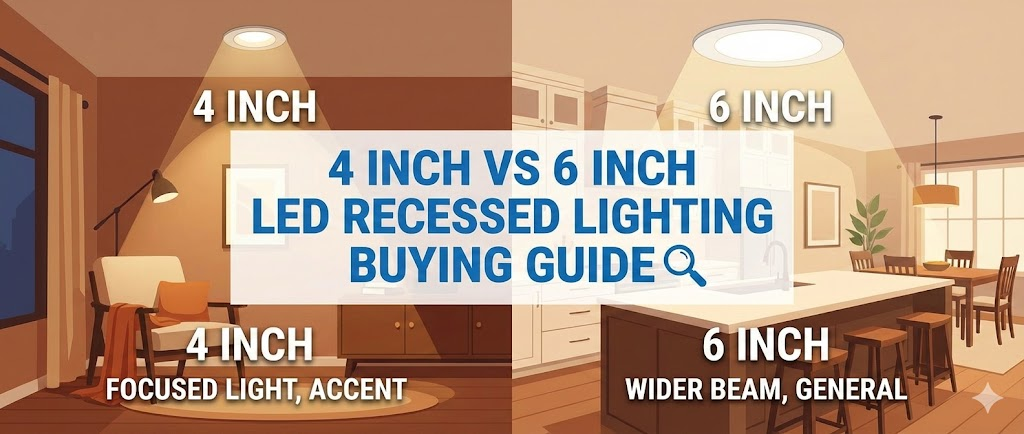
LED recessed lights can make a room feel brighter, cleaner, and more put-together without adding visual clutter. But the size you choose affects almost everything you will notice day to day. It affects how wide the light spreads, the number of fixtures you may need, the appearance of the ceiling, and whether the room feels cozy or overly bright. This buying guide walks you through the fundamental differences between 4-inch and 6-inch options using clear, practical examples. You will get a side-by-side table, room-by-room guidance, spacing tips, and quick FAQs so you can buy with confidence.
- 11 MarRead more »
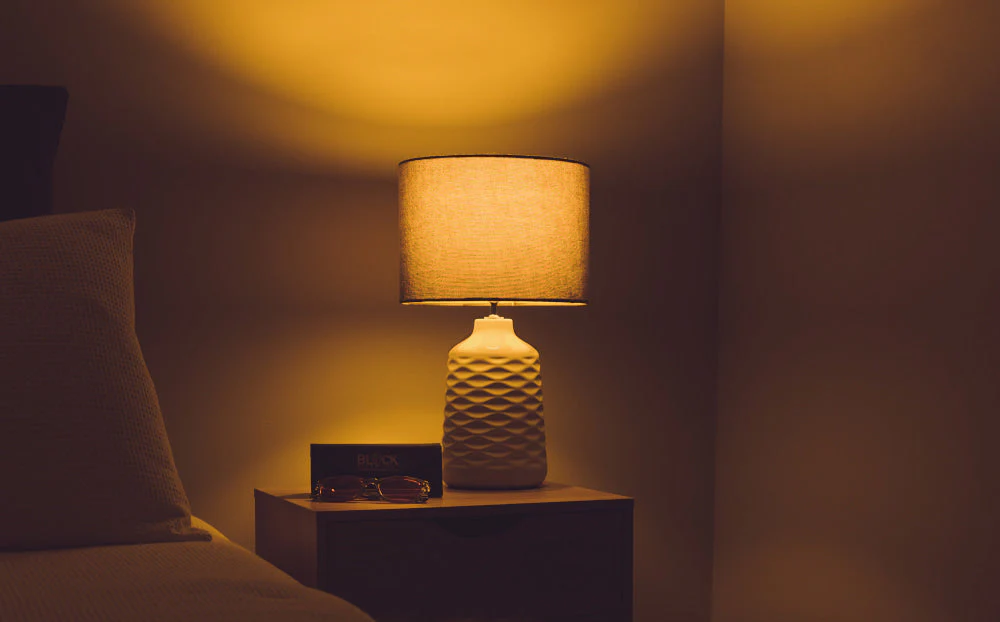
Light plays a bigger role than many people realize when it comes to getting quality rest. The type of lighting in your bedroom can either support your body’s natural sleep cycle or disrupt it, making it harder to wind down. Many wonder what color LED lights help with sleep and whether their nighttime lighting choices are helping or hurting their rest. Research shows that specific light colors can signal the brain to prepare for sleep, while others keep it alert and awake. Choosing the best LED light color for sleep can positively affect your sleep cycle and influence how refreshed you feel in the morning. From calming hues that promote melatonin production to subtle tones that create a restful atmosphere, finding the right LED light for sleep is a simple but powerful step toward better nightly routines.
- 2 JanRead more »
LED strip lights (LED light strips or flexible LED tape) have revolutionized modern lighting. They offer innumerable possibilities, whether you want to add a subtle glow under kitchen cabinets, create mood lighting in your living room, or highlight shelves in your store.
- 2 DecRead more »

No, smart bulbs do not use more electricity than traditional LED bulbs while lighting, but they consume minimal standby power (about 0.2–0.5 watts) to stay connected to Wi-Fi or Bluetooth. This extra consumption is minimal compared to the energy savings from using energy-efficient bulbs like smart LED bulbs rather than incandescent or CFL bulbs.
As per U.S. Department of Energy, a minimum of 75% less energy get consumed by LED lights and they can function 25 times longer than incandescent bulbs. That efficiency benefit still applies to smart LEDs.
Smart light bulbs combine energy-efficient LED technology with remote control,
- 1 DecRead more »
Flickering lights are more than a minor annoyance. They can signal an underlying electrical or compatibility issue that needs attention. Many homeowners ask, “Why are my LED lights flickering?” because it disrupts comfort and can even raise safety concerns if ignored. Unlike traditional bulbs, LEDs are sensitive to power fluctuations, dimmer switch mismatches, or wiring inconsistencies. When left unresolved, flickering LED lights can shorten the lifespan of the bulbs and affect energy efficiency.
This article thoroughly explains the common causes behind LED light flickering and provides practical steps to identify and resolve the problem. We'll break down the most likely culprits from dimmer switches and voltage irregularities to faulty fixtures. Whether dealing with a single bulb or your whole house experiencing LED lights flickering, understanding the reasons and solutions will help you restore steady, reliable lighting. By the
- 1 DecRead more »
Creating a cozy bedroom atmosphere starts with the right lighting choices. The best bedroom lighting ideas blend functionality with warmth, ensuring your space feels inviting and practical. A well-designed lighting scheme combines overhead fixtures, bedside lamps, and subtle accent lights to create depth and a soothing ambiance.
For a softer, calming aesthetic, light blue bedroom ideas work beautifully, as the hue pairs naturally with warm lighting tones for a serene, restful vibe. Consider layering textures and adding warm, dimmable lights for a harmonious balance if you're after light blue bedroom ideas. The best lighting for a cozy bedroom combines warm-toned ambient lighting, soft task lights, and accent lights to create depth and warmth.
Use dimmable options and layered sources for maximum comfort. Whether you prefer modern minimalism or a relaxed coastal style, the proper lighting
- 3 NovRead more »
LED light bulbs are popular for homeowners and businesses due to their efficiency, long lifespan, and modern appearance. But what happens when they finally stop working? Properly disposing of LED light bulbs is environmentally responsible and helps ensure materials are recycled or repurposed safely.
In this blog, we’ll explain how to dispose of LED light bulbs correctly. Whether replacing LED downlights or old strip lights, it’s important to handle them correctly. If you’re redecorating, check out our LED Light Decoration Ideas for inspiration.
Are LED Light Bulbs Recyclable?
Yes, LED light bulbs are recyclable. Unlike traditional incandescent
- 3 NovRead more »
Technology has come a long way when it comes to lighting. Today, we have many options, such as LED, CFL, halogen, and smart bulbs. But despite all the new inventions, incandescent light bulbs still hold a special place in many homes and hearts. These classic bulbs may seem old-fashioned, but they offer several advantages that modern lighting can’t easily replace.
In this blog, we’ll learn why incandescent light is still one of the best choices, especially for people who care about warmth, comfort, affordability, and a touch of nostalgia in their homes.
1. Warm and Natural Light
One of the biggest reasons people love incandescent light is its soft glow. Unlike some LED or fluorescent bulbs that can feel cold or harsh, incandescent lights give off a natural light that’s easy on the eyes.
The color temperature


Recent Posts
- How Much Does It Cost to Install Recessed Lighting? April 8, 2026
- How to Connect LED Lights Without a Connector
 April 2, 2026
 - 4 Inch vs 6 Inch LED Recessed Lighting Buying Guide
 March 20, 2026
 - What LED Light Color Helps with Sleep?
 March 11, 2026
 - How to Connect LED Strip Lights- A Complete Guide January 2, 2026