

Light plays a bigger role than many people realize when it comes to getting quality rest. The type of lighting in your bedroom can either support your body’s natural sleep cycle or disrupt it, making it harder to wind down. Many wonder what color LED lights help with sleep and whether their nighttime lighting choices are helping or hurting their rest. Research shows that specific light colors can signal the brain to prepare for sleep, while others keep it alert and awake. Choosing the best LED light color for sleep can positively affect your sleep cycle and influence how refreshed you feel in the morning. From calming hues that promote melatonin production to subtle tones that create a restful atmosphere, finding the right LED light for sleep is a simple but powerful step toward better nightly routines.
How Light Affects Your Circadian Rhythm and Sleep
Light isn’t just about visibility. It directly communicates with your body’s internal clock, shaping when you feel awake or tired. Specialized photoreceptors in the eyes detect light and send signals to the brain’s timekeeping system, which influences hormones like melatonin. The following sections break down the key players in this process.
The Role of the Suprachiasmatic Nucleus
At the center of your sleep–wake cycle is the suprachiasmatic nucleus (SCN), a cluster of neurons in the hypothalamus often called the body’s “master clock.” The SCN gets light signals from the eyes through specialized pathways, telling the brain whether it’s day or night. When bright or cool-toned lighting is present in the evening, the SCN interprets this as daytime, signaling the body to stay alert. By contrast, warmer-toned or dimmer lighting cues the SCN that it’s time to rest. This explains why selecting the best LED light color for sleep is crucial—it helps the SCN align your rhythms with nighttime cues.
Melatonin Production and Suppression
Melatonin is the hormone that prepares your body for sleep by lowering alertness and regulating core body temperature. Exposure to specific light wavelengths, especially blue light, suppresses melatonin release. A study found that room light exposure before bedtime reduces melatonin duration by about 90 minutes compared to dim light. This underscores the importance of using the right LED light for sleep. Cooler or brighter LEDs may delay melatonin onset, while softer, warmer hues allow melatonin to flow naturally—helping you fall asleep faster and stay asleep longer.
Wavelengths and Photoreceptors
The eye contains specialized cells called intrinsically photosensitive retinal ganglion cells (ipRGCs), most responsive to short wavelengths like blue light. When these wavelengths are detected, ipRGCs send signals to the SCN, suppressing melatonin and promoting wakefulness. Longer wavelengths, such as red or amber, have far less impact on these receptors, making them ideal for nighttime use. Experts often recommend warm tones when considering what color LED lights help with sleep. Choosing LEDs with minimal blue light allows your circadian rhythm to remain intact, supporting natural rest and recovery.
Best LED Light Colors for Promoting Sleep
Not all lights are equal when it comes to rest. Certain LED light colors for sleep have been shown to support melatonin production rather than disrupt it. Choosing the right tones can help signal to your body that it’s time to wind down. Below are the most effective LED light colors for sleeping, along with tips on how to use them in your nightly routine.
Red Light
Red light has the longest wavelength and the least effect on your circadian rhythm, making it one of the best LED light colors for sleeping. Studies suggest it boosts melatonin levels, helping you drift off more naturally. Consider placing red LED bulbs in bedside lamps or nightlights. Keep brightness low for optimal results, using them about an hour before bed to encourage calm and readiness for sleep.
Amber Light
Amber light filters out blue wavelengths, the main culprits for suppressing melatonin. This makes amber a strong choice among LED light colors for sleep. Amber bulbs are explicitly designed for bedrooms or nightlights, and they’re instrumental in hallways or bathrooms. Amber LEDs create a soothing environment that helps your body recognize it’s time to slow down and prepare for a restful night.
Orange Light
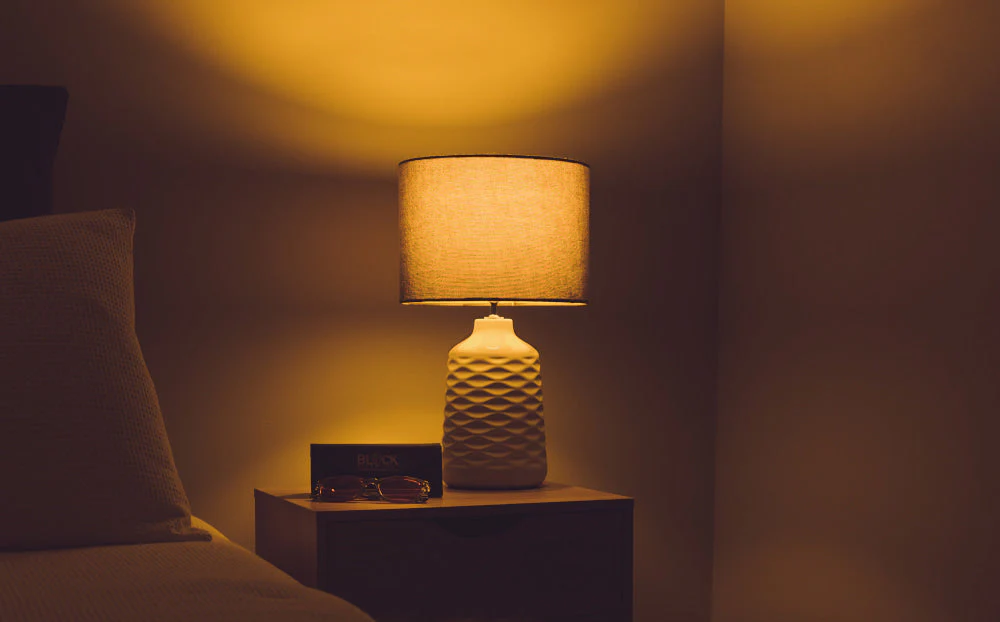
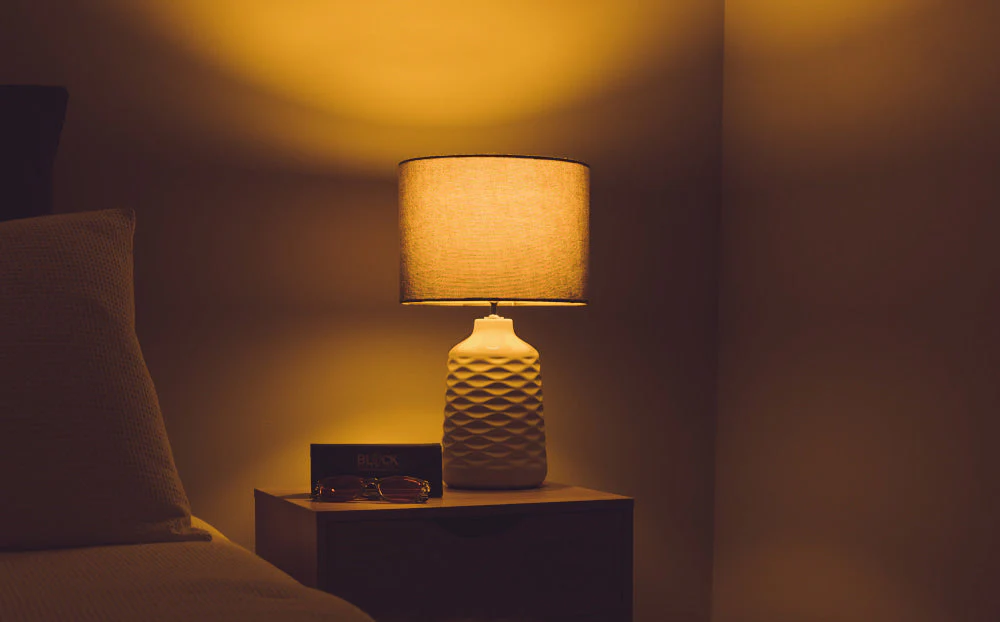
Orange light offers a warm alternative for evening use, providing comfort without overstimulating the brain. With a color temperature under 2700K, orange bulbs gently illuminate your space, avoiding melatonin disruption. Many people consider orange an effective color for LED lights for sleeping because it’s less harsh than cool whites. Place orange LED bulbs in table or floor lamps to create a cozy bedtime environment that promotes relaxation.
LED Light Colors to Avoid Before Bed
While some LED lights' colors for sleep are beneficial, others can have the opposite effect, disrupting your body’s ability to rest. Cool hues like blue, green, and purple interfere with melatonin production and should be minimized in the evening. Knowing which LED lights' colors for sleeping to avoid will help you create a bedtime environment that truly supports relaxation and natural circadian rhythms.
Blue Light
Blue light is the most disruptive LED light for sleeping because it strongly suppresses melatonin and signals wakefulness to your brain. It is emitted not only by LED bulbs but also by phones, tablets, and TVs. To reduce its impact, use blue-blocking glasses, enable night mode on devices, or replace cool-white bulbs with warmer alternatives. Limiting exposure to blue light at night is key to maintaining healthy sleep patterns.
Green Light
Green light has a moderate effect on melatonin suppression, making it less suitable among LED light colors for sleep. While not as harmful as blue, it still signals alertness and can delay sleep onset if used before bedtime. Replacing green-tinted or cool LEDs with warmer tones like red, amber, or orange is preferable. Choosing the right LED light color for sleeping will better support your circadian rhythm and nighttime rest.
Purple Light
Although purple appears warmer due to its red undertones, it still contains blue wavelengths, interfering with melatonin release. This makes it an unsuitable option among LED light colors for sleep. Some people assume purple lighting is restful, but its blue component makes it counterproductive. Opting for red or amber instead ensures you’re selecting the most effective LED light color for sleeping to promote relaxation and uninterrupted rest at night.
Optimizing Your Evening Lighting Routine
Knowing the right LED light colors for sleep is only half the equation. To truly benefit, you need a practical evening lighting routine that aligns with your body’s natural rhythms. From timing and dimming to intelligent automation and simple alternatives, these strategies ensure that every LED light color for sleeping works effectively in your bedroom environment while minimizing the disruptions caused by cooler light wavelengths at night.
Timing and Dimming Strategies
Switching to warmer bulbs about an hour before bedtime helps signal to your body that it’s time to rest. Experts suggest dimming lights to around 30% brightness for a cozy, sleep-friendly atmosphere. This routine reduces circadian disruption, especially in sensitive populations—studies show that evening blue light exposure leads to more awakenings and shorter sleep in preschoolers. Combining dimming with the right LED light colors for sleep improves both comfort and restfulness.
Smart Lighting Controls
Smart bulbs and lighting systems help automate evening transitions. You can program bulbs to gradually shift from bright whites to warmer tones like red or amber, aligning with natural circadian cues. Many systems also allow scheduled dimming, ensuring consistency night after night. This technology guarantees you’re constantly surrounded by the best LED light color for sleeping without manually switching bulbs—supporting healthier, more restorative nightly routines.
Alternative Solutions
If replacing all your bulbs isn’t practical, other solutions can still improve sleep quality. Night mode apps and screen filters help minimize blue light exposure from phones and computers. Blackout curtains block external light sources, ensuring your chosen LED light colors for sleep are the dominant cue in your space. These alternatives complement warmer lighting choices and provide extra protection from disruptive wavelengths, reinforcing a consistent and effective LED light color for the sleeping environment.
Practical LED Lighting Product Recommendations
Understanding the best LED light colors for sleep is important, but having the right products makes applying this knowledge simple. From specialized bulbs to smart lighting solutions, the following recommendations highlight reliable LED light colors for sleeping that can easily fit into your bedroom or nighttime routine.
Best Red/Amber LED Bulbs
Red and amber bulbs are the top LED light colors for sleep because they minimize melatonin suppression. Brands like Philips, Soraa, and GE offer affordable options ranging from $10 to $25 per bulb. Look for bulbs with a color temperature under 2700K to ensure you’re getting the most effective LED light color for sleeping.
Nightlights and Reading Lamps
For middle-of-the-night use, red or amber nightlights and portable lamps are practical. These smaller devices provide just enough illumination without disrupting melatonin production. Popular choices include plug-in amber nightlights or clip-on reading lamps with red LEDs. Such options maintain a restful environment while ensuring access to supportive LED light colors for sleep.
Smart Bulbs with Color Temperature Settings
Smart bulbs allow complete control over brightness and color temperature, letting you schedule shifts to warmer tones in the evening. Options from Philips Hue or LIFX are popular choices. By automating transitions, you’ll consistently surround yourself with the right LED light color for sleeping, making bedtime routines easier and more effective.
Summary and Key Takeaways
Light directly influences how well you sleep, shaping melatonin production and your circadian rhythm. Research shows that cooler tones like blue, green, and purple can delay rest by suppressing melatonin, while warmer tones encourage natural sleep cycles. Studies highlight how disruptive blue light can be, particularly in children, underscoring the importance of choosing wisely. The best LED light colors for sleep include red, amber, and orange, all of which minimize circadian interference and promote relaxation.
Practical steps include dimming lights an hour before bed, using smart bulbs for automated transitions, and adding nightlights or blackout curtains to maintain a restful environment. If you’re wondering what color LED lights help with sleep, the action is to explicitly shift to warmer hues, reduce blue light exposure, and create a bedroom lighting plan that supports consistent, high-quality rest night after night.
Ready to upgrade your evening routine with sleep-friendly lighting? Check out the top-rated red, amber, and bright LED lights for sleeping at Buy LED Online. You'll find everything from nightlights to advanced smart bulbs to create a restful environment. Shop now and bring healthier sleep within easy reach.
FAQs
1. What LED light color is best for sleep?
The best LED light colors for sleep are warm tones like red, amber, and orange. These wavelengths have minimal effect on melatonin, allowing your body to stay aligned with its circadian rhythm. Using these lights in the evening helps promote relaxation and supports natural, restorative sleep cycles.
2. Is it better to sleep in red light or darkness?
Darkness remains ideal because it allows your body to maximize melatonin release naturally. However, red LED lighting is a better choice than other colors if some light is necessary, such as night waking. Its long wavelength minimizes circadian disruption, making it the least harmful option compared to brighter hues.
3. What is the best color LED light for a bedroom?
Warm-toned LEDs under 2700K are best for bedrooms, with red or amber being the top picks. These colors support sleep by reducing melatonin suppression and creating a calm atmosphere. Avoid bright white or cool lights in this space to maintain a soothing environment that encourages rest and recovery.
4. What color LED lights should I avoid before bed?
Avoid blue, bright white, and purple LEDs before bed. These colors emit wavelengths that strongly suppress melatonin, keeping your brain alert instead of preparing for rest. Even a green light can delay sleep onset. Stick to warmer shades instead for the best sleep-friendly environment in your bedroom at night.
5. Can smart LED bulbs improve sleep?
Smart LED bulbs can improve sleep by automatically shifting color temperatures throughout the day. You can schedule them to provide bright, cool light during the day for alertness, then gradually dim them and transition to red or amber in the evening. This supports circadian alignment and better rest overall.
6. Can LED light therapy improve sleep quality?
LED light therapy may improve sleep quality, particularly in people with circadian rhythm disorders or insomnia. Morning exposure to bright white or blue light helps reset your internal clock, while evening use of red light may aid melatonin release. The timing and wavelength are key to the best results.